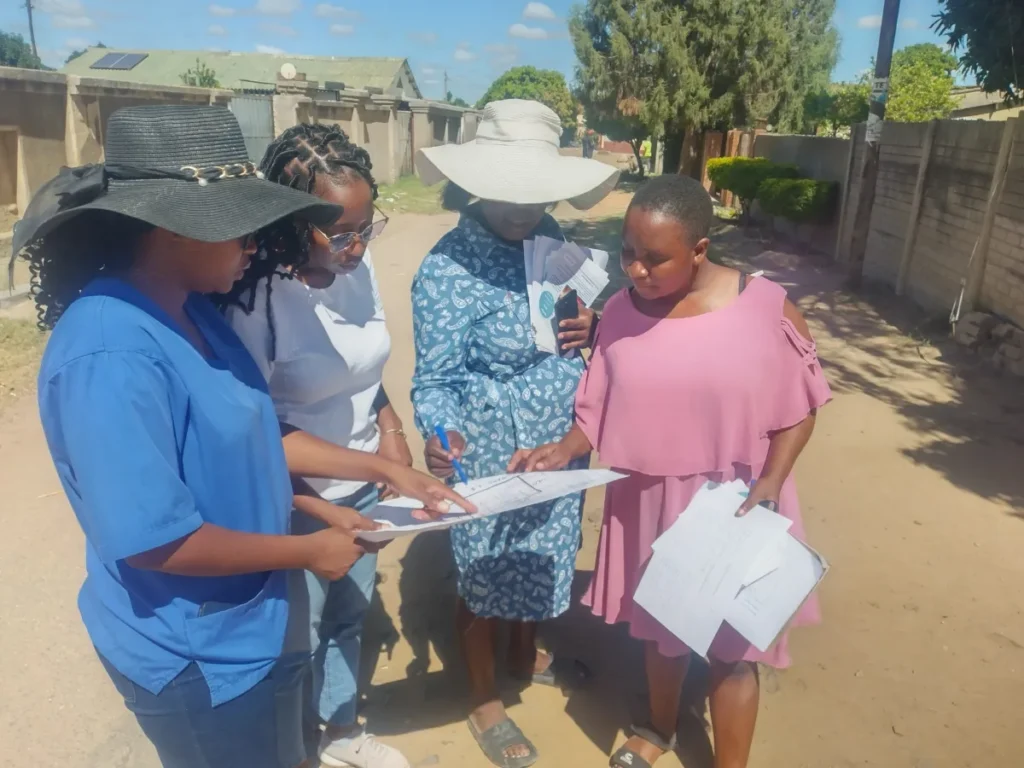
ACRN’s success in clinical trials is partly due to its collaborative approach with communities. This began over three years ago in Zimbabwe with the Mutala Trust, a key network partner of ACRN, and involves engaging communities in designing, developing, and sharing clinical trial results. This method has enhanced community understanding of research and increased stakeholder support while ensuring that clinical trials remain culturally relevant and acceptable.
Community engagement includes all demographic groups affected by study conditions in participant mobilisation for clinical trials.
The key to this is encouraging stakeholders to advocate within their communities. Understanding community norms and values is crucial for clinical trial experts to design and execute studies effectively, fostering ownership and sustainability in the research.
A Community Advisory Board (CAB) of twelve diverse members—five men and seven women—representing various groups, including HIV advocates, health workers, and local authorities, meets quarterly. The CAB sometimes convenes when the need arises to review trial protocols, assess research materials, and gather community feedback on Mutala’s research activities.
Clinicians work with department heads and local leaders to raise awareness and secure study permissions. Local chiefs communicate research details during home visits in remote areas, fostering questions and feedback on outreach strategies. Community engagement differs in urban and rural settings. Researchers seek clearance from city councils in urban areas but must obtain approval from local authorities like chiefs in rural areas. This highlights the importance of inclusivity, as these leaders provide access to venues for meetings and interviews in clinical trials.
We conduct formative research to assess knowledge, attitudes, motivations, barriers, and participation in communities targeted by clinical trials. We gain insights into local cultures and communication methods by engaging directly through observations, social media, and interviews. This structured engagement enhances community involvement, making evidence-based communication essential and emphasising the role of each stakeholder.
Clinical trial findings are shared through meetings with the Ministry of Health, media, civil society, newsletters, and community updates. Partnerships with local authorities and stakeholders, such as the Ministry of Health, were key for high participation in Mutala’s COVID-19 vaccine study in 2023 and the influenza trial in 2024. These successes demonstrate the importance of collaboration in advancing vaccine research.